The cultural competitive advantage for big brands

The cultural competitive advantage for big brands

"When we first worked together, Leila came with a remit to ensure that our brands were culturally attuned. She did this, but her legacy was even greater as she impacted the culture of the broader organisation." Ed Pilkington, Diageo from the foreword, Culture-Led Brands.

Most leaders inside major global brands are operating inside a decision-making system that was built before the world it now has to navigate. The bigger the organisation, the more deeply that system is embedded and the harder it is to change from inside.

Today, that pressure is compounding across three culture-led fronts simultaneously:

The Generational Shift: Five generations from Boomers to Gen Alpha, in the workplace and as a consumer base. Each with a different mindset, different technological adoptions, different values and different cultural codes. All with completely different expectations and relationships to brands. All at the same time.

The Fandom Era: Relevance lives inside cultures, fandoms and communities - fragmented, cross-cultural, shaped by algorithms and platform agendas the brand doesn't control. Brands that built their Cultural Positioning before these fandoms were commercially visible hold authority inside them. Brands that arrive after the fact are extractive. The decision that determines which one you are is made long before the brief.

The Growth Opportunity: The biggest opportunities are in the places most organisations aren't looking. For Challenger Brands scaling through a growth inflection point, the Cultural Brands navigating mainstream visibility without losing the community that chose them, and for Corporates, in the global markets they call emerging and I call essential.

Staying where you are is a growth, resilience and organisational risk. At scale, the consequence of getting this wrong is structural - Cultural Authority erodes, the best people leave, and the organisation produces work it knows isn't right but can't change because of the system that runs it.

"When we first worked together, Leila came with a remit to ensure that our brands were culturally attuned. She did this, but her legacy was even greater as she impacted the culture of the broader organisation." Ed Pilkington, Diageo from the foreword, Culture-Led Brands.

Most leaders inside major global brands are operating inside a decision-making system that was built before the world it now has to navigate. The bigger the organisation, the more deeply that system is embedded and the harder it is to change from inside.

Today, that pressure is compounding across three culture-led fronts simultaneously:

The Generational Shift: Five generations from Boomers to Gen Alpha, in the workplace and as a consumer base. Each with a different mindset, different technological adoptions, different values and different cultural codes. All with completely different expectations and relationships to brands. All at the same time.

The Fandom Era: Relevance lives inside cultures, fandoms and communities - fragmented, cross-cultural, shaped by algorithms and platform agendas the brand doesn't control. Brands that built their Cultural Positioning before these fandoms were commercially visible hold authority inside them. Brands that arrive after the fact are extractive. The decision that determines which one you are is made long before the brief.

The Growth Opportunity: The biggest opportunities are in the places most organisations aren't looking. For Challenger Brands scaling through a growth inflection point, the Cultural Brands navigating mainstream visibility without losing the community that chose them, and for Corporates, in the global markets they call emerging and I call essential.

Staying where you are is a growth, resilience and organisational risk. At scale, the consequence of getting this wrong is structural - Cultural Authority erodes, the best people leave, and the organisation produces work it knows isn't right but can't change because of the system that runs it.


"When we first worked together, Leila came with a remit to ensure that our brands were culturally attuned. She did this, but her legacy was even greater as she impacted the culture of the broader organisation." Ed Pilkington, Diageo from the foreword, Culture-Led Brands.

Most leaders inside major global brands are operating inside a decision-making system that was built before the world it now has to navigate. The bigger the organisation, the more deeply that system is embedded and the harder it is to change from inside.

Today, that pressure is compounding across three culture-led fronts simultaneously:

The Generational Shift: Five generations from Boomers to Gen Alpha, in the workplace and as a consumer base. Each with a different mindset, different technological adoptions, different values and different cultural codes. All with completely different expectations and relationships to brands. All at the same time.

The Fandom Era: Relevance lives inside cultures, fandoms and communities - fragmented, cross-cultural, shaped by algorithms and platform agendas the brand doesn't control. Brands that built their Cultural Positioning before these fandoms were commercially visible hold authority inside them. Brands that arrive after the fact are extractive. The decision that determines which one you are is made long before the brief.

The Growth Opportunity: The biggest opportunities are in the places most organisations aren't looking. For Challenger Brands scaling through a growth inflection point, the Cultural Brands navigating mainstream visibility without losing the community that chose them, and for Corporates, in the global markets they call emerging and I call essential.

Staying where you are is a growth, resilience and organisational risk. At scale, the consequence of getting this wrong is structural - Cultural Authority erodes, the best people leave, and the organisation produces work it knows isn't right but can't change because of the system that runs it.

The Corporate leader is navigating an organisation whose inherited decision-making system was built for a different era. I call it The Corporate Algorithm - processes built for the product-led 20th century that reward caution, familiarity, and replication over judgement, instinct, and cultural truth. Now combined with AI-filtered-and-influenced decisions, fragmented media, and audiences who see through brands in seconds, the result is big brands becoming more formulaic by the year and homogeneity now the default. This is preventing the brand from accessing the cultural territories it needs, credibly.

The Challenger Brand leader is navigating the moment scale introduces the Corporate Algorithm from outside - through investment, acquisition, or the commercial pressure of mainstream visibility. The Cultural Relevance was earned, but the risk is it erodes at exactly the point commercial success would need it to be compounding.

The Cultural Brand leader is navigating what happens when the culture that chose the brand before it had a strategy meets commercial growth. Their Cultural Positioning is pre-strategic, which is the greatest asset and the most specific vulnerability. The decisions that protect it or spend it are made at the top.

All three are upstream problems. And it's not just hurting the bottom line - it's burning out the people inside who know something is wrong, but can't get breakthrough work through the system.

I work as a Strategic Advisor to leaders to build Cultural Agility. This is the ability to read multiple cultural contexts, act on them with speed and conviction, and embed that capability into how your organisation thinks and operates and determine what's possible downstream.

I work with brand practitioners inside those organisations as a Culture Advisor before and on the brief itself, at the point where The Corporate Algorithm either allows the work or dilutes it.

LEADERSHIP AND THEIR TEAMS

Strategic Advisor

The Leadership Reset

Strategic Advisor

The Leadership Reset

Strategic Advisor

The Leadership Reset

BRAND PRACTITIONERS AND AGENCIES

Culture Advisor

Culture Advisor

AN OUTSIDER APPROACH WITH INSIDER KNOW-HOW

AN OUTSIDER APPROACH WITH INSIDER KNOW-HOW

I speak and translate the languages of corporate, entrepreneurial and cultural - shaped by three decades of operating across all three, not observing them from the outside.

After founding and leading Spin - one of the earliest integrated youth agencies for a decade - working with cultural brands like Carhartt WIP and VICE magazine. I was headhunted into senior leadership, global at adidas, then on the European Leadership Team at Diageo. In both, I was brought in to do something no one inside could: build cultural relevance and authority externally while launching newly formed departments and changing the internal systems needed to sustain it. That combination of understanding what the brand related cultures require and being able to reshape the organisation to deliver it, is what I've built my career around ever since.

I founded Platform13 in 2017 because, while in-house, I recognised that big brands needed a different kind of partner - one that understood culture as a business driver, not a marketing nice to have, and that had been inside these organisations and knew exactly where the system breaks down.

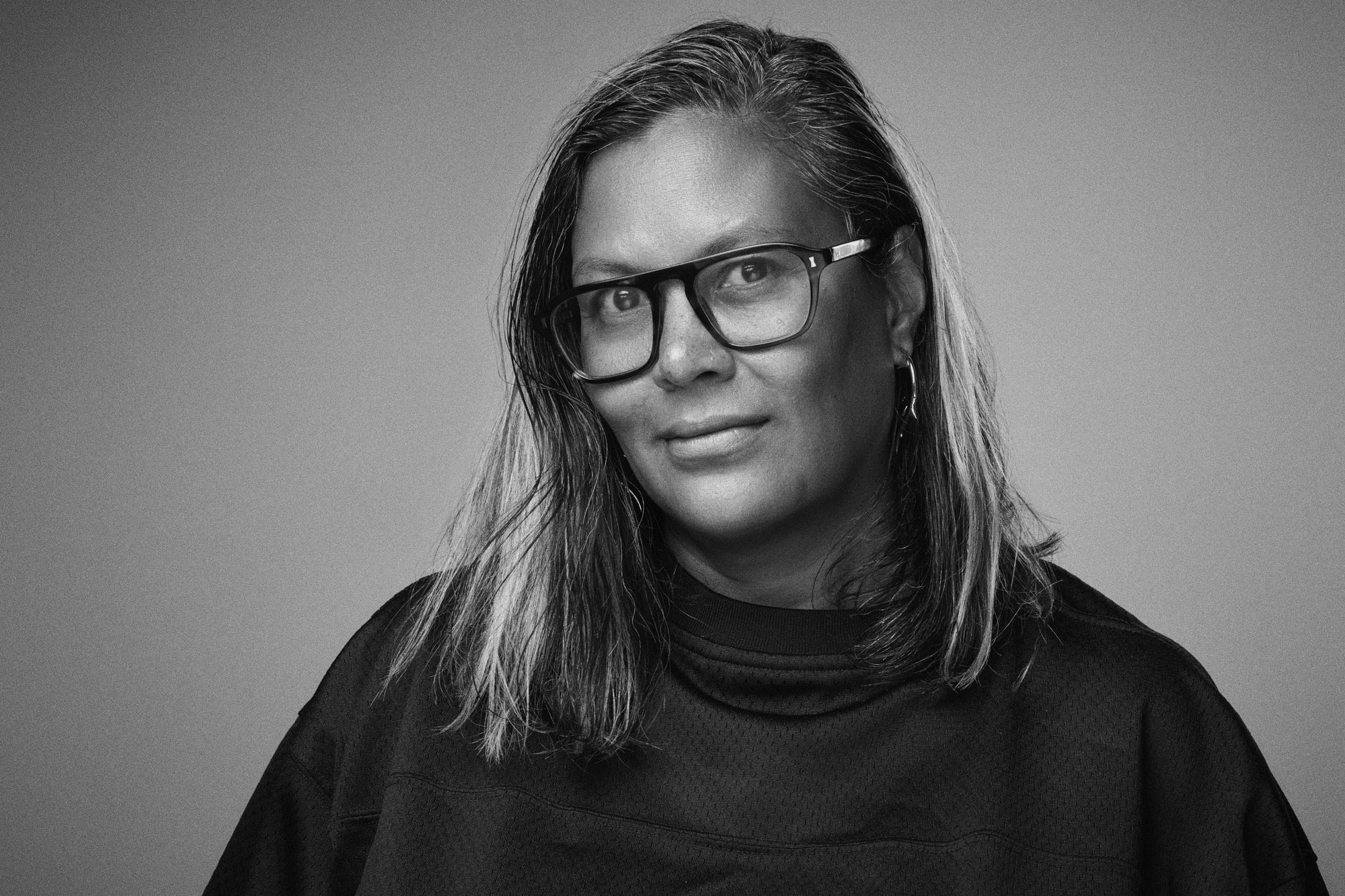
And I bring a perspective structurally different from the voices most senior leaders are already surrounded by. Born and raised in the Global South, I moved to London at 22, honing my experience from the ground up, and spent the next thirty years reading cultural shifts across markets and fandoms before they hit the mainstream. Growing up where you can't buy the solution teaches you to see what others don't, move where others wait, and build what doesn't exist. That's not a perspective, it's my operating system.

I speak and translate the languages of corporate, entrepreneurial and cultural - shaped by three decades of operating across all three, not observing them from the outside.

After founding and leading Spin - one of the earliest integrated youth agencies for a decade - working with cultural brands like Carhartt WIP and VICE magazine. I was headhunted into senior leadership, global at adidas, then on the European Leadership Team at Diageo. In both, I was brought in to do something no one inside could: build cultural relevance and authority externally while changing the internal systems needed to sustain it. That combination of understanding what the related cultures requires and being able to reshape the organisation to deliver it, is what I've built my career around ever since.

I founded Platform13 in 2017 because, while in-house, I recognised that big brands needed a different kind of partner - one that understood culture as a business driver, not a marketing nice to have, and that had been inside these organisations and knew exactly where the system breaks down.

And I bring a perspective structurally different from the voices most senior leaders are already surrounded by. Born and raised in the Global South, I moved to London at 22, honing my experience from the ground up, and spent the next thirty years reading cultural shifts across markets and fandoms before they hit the mainstream. Growing up where you can't buy the solution teaches you to see what others don't, move where others wait, and build what doesn't exist. That's not a perspective, it's my operating system.

Across three decades, my work has consistently balanced commercial performance, long-term brand equity and cultural resonance across markets, categories and moments, particularly in periods of change.

This has led to my opinion and commentary being sought out by global industry heavyweights such as WARC, Business of Fashion, Digiday, Adweek, Highsnobiety, The Drum and Campaign. I’ve delivered main-stage keynotes at D&AD, Apple Today, Eurobest and Hyper Island, appeared as a challenger voice at Cannes Lions and Advertising Week, and served as a judge for D&AD New Blood and multiple industry awards.

In 2025 I published Culture-Led Brands (Kogan Page) - a blueprint for senior leaders and brand practitioners on how to drive growth, build resilience and cultivate resonance in a landscape that has fundamentally changed. Thirty years of experience, distilled into something practical for the people making the decisions that matter.

"The MUST READ of 2025 for all CEOs, CMOs and growth leaders. THE comprehensive guide to what, why and how to build Culture-Led Brands." Julie Bramham, Managing Director, Diageo Luxury Group

"This book holds the key to unlock how to credibly use culture to your financial benefit inside and outside the boardroom." Rachel Muscat, Co-Founder Humanrace with Pharrell, formerly adidas.

Sign up here for A Cultural State of Mind

Sign up here for A Cultural State of
Mind